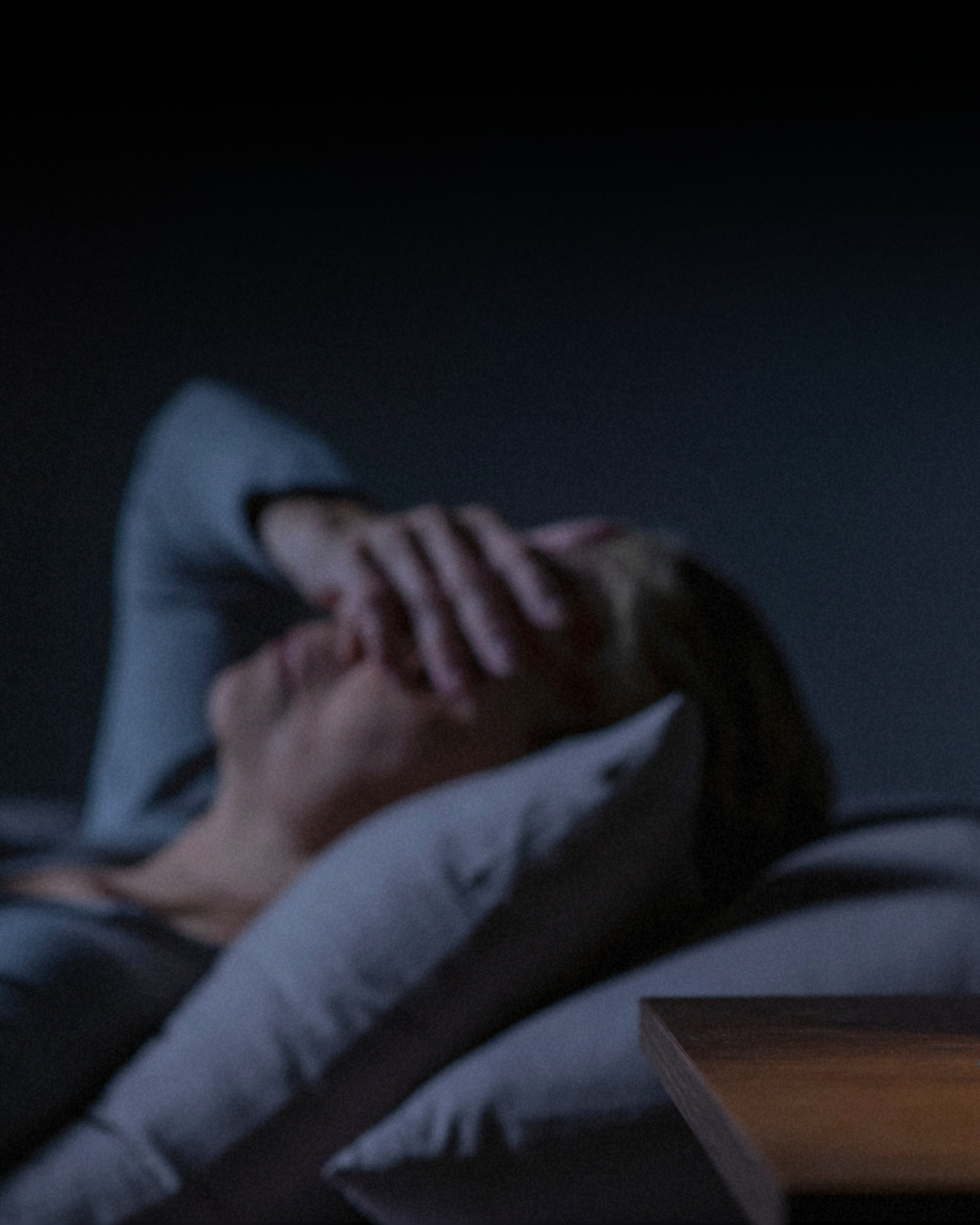
You finally fall asleep. The day is over, your body starts to relax… and then you wake up because your hands feel freezing cold.
If you live with Raynaud’s, this experience may feel familiar. Raynaud’s is often associated with cold weather or outdoor exposure, but symptoms don’t always stop when the day ends. For many people, they can also appear during the night, quietly disrupting sleep.
Understanding why this happens is an important step toward managing these episodes and improving overall comfort.
What happens to your body at night
During sleep, your body follows a natural rhythm. Your core temperature drops slightly, circulation slows down, and your nervous system shifts into recovery mode.
These changes are essential. They allow your body to rest, repair and restore itself.
However, for people living with Raynaud’s, these normal adjustments can sometimes trigger a stronger response. Blood vessels may constrict more than expected, reducing blood flow to the extremities, especially the fingers and toes.
This is what can lead to that sudden sensation of cold, numbness or even pain in the middle of the night.
Why these symptoms can wake you up
The challenge is not only the symptoms themselves, but also when they happen.
Being woken up by discomfort interrupts the natural sleep cycle. Your body quickly shifts from a state of rest to a state of alertness.
Once awake, it may take time to warm your hands and feel comfortable again. And even then, falling back asleep is not always easy.
Over time, repeated interruptions like these can affect sleep quality and have an impact on energy, focus and overall wellbeing.
An often overlooked part of Raynaud’s
Night-time symptoms are rarely discussed, yet they are part of the daily reality for many people living with Raynaud’s.
Because these episodes happen during sleep, they tend to be less visible and less understood. But their impact is real.
Bringing awareness to these experiences helps create better understanding and opens the door to more effective ways of support.
What may help improve comfort at night
Every experience is different, but some simple adjustments may help reduce night-time discomfort.
Keeping your bedroom at a comfortable temperature can help minimize temperature fluctuations. Warming your hands before going to bed, wearing light gloves or socks, and avoiding prolonged exposure to cold in the evening are also habits that may support better comfort.
These are not universal solutions, but they can be a starting point.
The Totum Tech perspective
At Totum Tech, we believe circulation challenges should not be considered only during the day.
They are part of everyday life, including moments that are often unseen, like what happens during the night.
That is why we are exploring solutions designed to better support people living with Raynaud’s in different moments of their daily lives — including the ones that happen while they sleep.
Conclusion
Raynaud’s symptoms don’t always follow a schedule.
If they are part of your nights, you are not alone. And understanding these patterns is an important step toward improving comfort and quality of life.
Learn more about what we’re building and join our waitlist.